
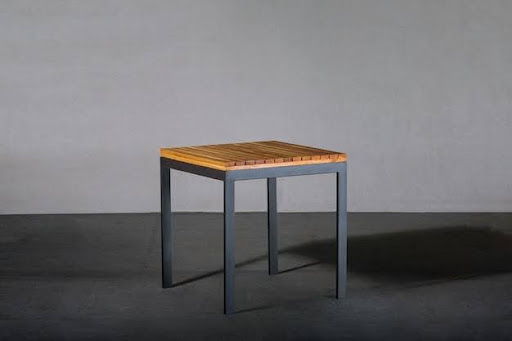
Taking on a do-it-yourself furniture build offers a rewarding way to create custom pieces that fit your exact space and style, and choosing the right table legs plays a major role in how the finished project ultimately turns out. Whether you’re building your first coffee table or tackling a more ambitious dining table project, understanding the available options helps ensure a sturdy, attractive result worth the time and effort you put into it.
1. Pre-Made Metal Legs
For beginners or those short on time, pre-made metal table legs offer a convenient solution that requires minimal fabrication skills to install correctly.
These ready-to-attach options come in various heights, finishes, and styles, allowing DIY builders to achieve a polished, professional look without needing specialized metalworking tools or extensive prior experience with fabrication.
2. Simple Wooden Leg Kits
Wooden table legs remain a popular choice for DIY projects, especially for builders working with matching wood tabletops to achieve a cohesive, natural aesthetic throughout the piece.
Many hardware stores and online retailers sell pre-cut, pre-drilled leg kits, making assembly straightforward even for those without advanced woodworking experience or specialized power tools at home.
3. Hairpin Legs for a Modern Touch
Hairpin table legs have become especially popular among DIY enthusiasts thanks to their lightweight design and remarkably straightforward installation process.
These minimalist metal legs typically attach with just a few screws, making them an excellent choice for beginners looking to add a modern, mid-century aesthetic to their furniture project without dealing with complicated joinery techniques.
4. Adjustable Legs for Custom Heights
For builders creating furniture that needs to fit a specific height requirement, adjustable table legs offer valuable flexibility during the entire assembly process.
This type of table legs allows for fine-tuning even after installation, helping compensate for uneven flooring or ensuring the finished piece matches surrounding furniture at exactly the right height.
5. Reclaimed or Repurposed Materials
For a more budget-friendly and eco-conscious approach, many DIY builders source table legs from repurposed materials like old furniture, pipes, or salvaged wood found secondhand.
This creative option adds character and genuine uniqueness to a project, though it typically requires more hands-on modification and finishing work compared to purchasing ready-made options from a store.
6. Structural Considerations for Stability
Regardless of style, ensuring your chosen table legs can properly support the tabletop’s weight and overall size remains critical for long-term durability and everyday use.
DIY builders should consider factors like leg thickness, attachment method, and overall base width, since an unstable design can lead to wobbling or structural failure even with an otherwise well-executed project.
Final Thoughts
Selecting the right table legs for a DIY furniture project involves balancing skill level, budget, and desired aesthetic while never compromising on structural stability along the way. By choosing options suited to your experience level, whether pre-made kits or more hands-on repurposed materials, builders can create functional, attractive furniture pieces worth the time and effort invested into them. Taking care with proper attachment and support ultimately ensures your finished project remains sturdy and reliable for years of everyday use and enjoyment.