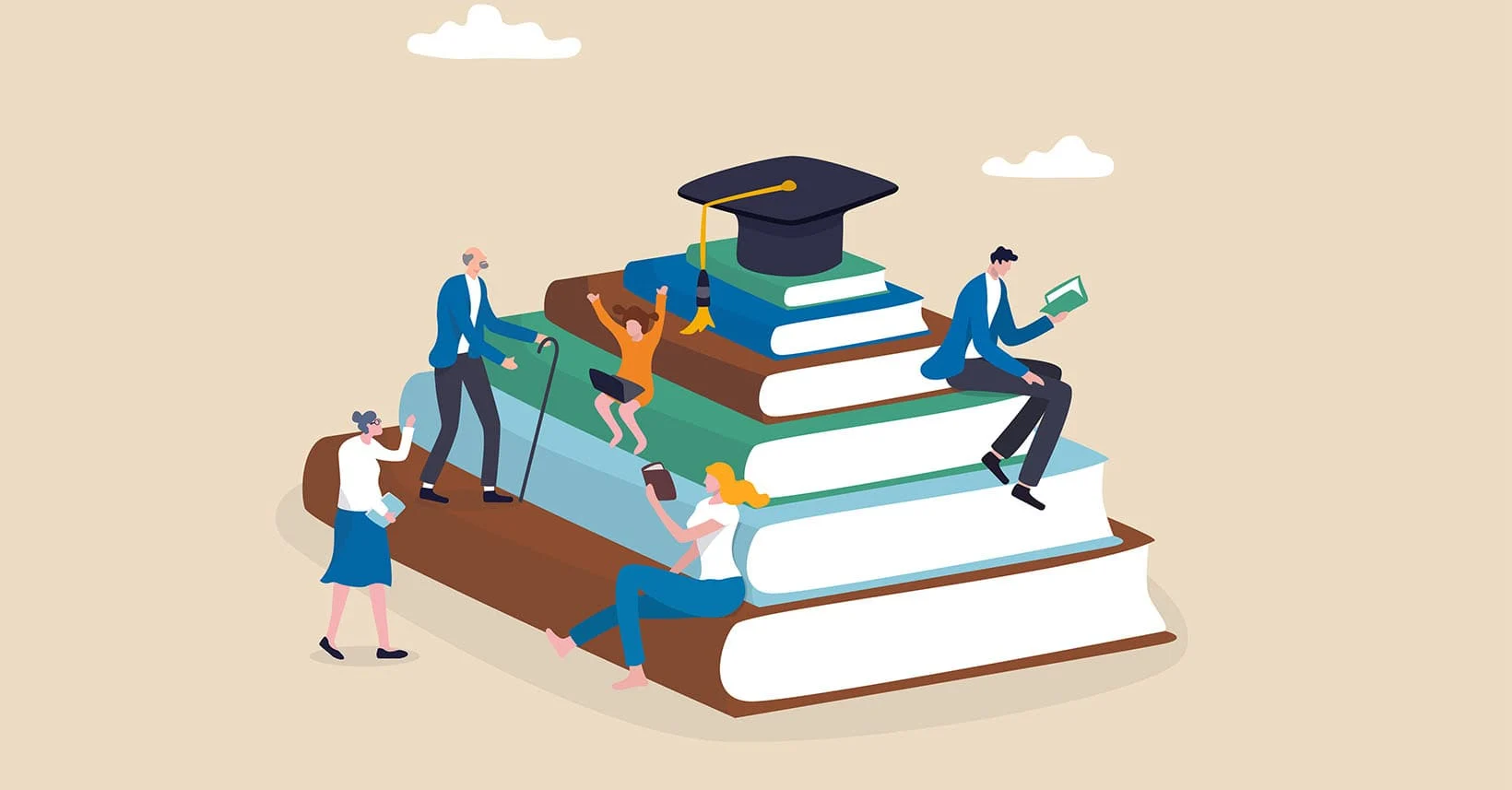
In today’s rapidly evolving world, educational skill building has become more critical than ever. As industries transform through technology and globalization, the ability to develop, adapt, and refine skills throughout life is an essential factor for personal and professional growth. Educational skill building refers to the intentional practice of acquiring knowledge, developing competencies, and enhancing cognitive and practical abilities that enable learners to succeed in their academic, professional, and real‑world endeavors.
This comprehensive guide explores what educational skill building is, why it matters, the top skills in demand, practical strategies for educators and learners, and how institutions and platforms help facilitate this journey.
What Is Educational Skill Building?
Educational skill building involves structured learning processes designed to help individuals improve specific abilities. These abilities span from academic competencies such as critical thinking and literacy to 21st‑century skills like collaboration, digital literacy, and emotional intelligence.
Educational skill building includes:
- Foundational skills (literacy, numeracy)
- Cognitive skills (problem solving, critical thinking)
- Technical skills (coding, data analysis)
- Soft skills (communication, leadership)
- Lifelong learning habits
The aim is not just knowledge acquisition but developing capabilities that support adaptability and future readiness.
Why Educational Skill Building Matters
Preparing for the Future of Work
The job market is continually reshaping due to technology and automation trends spearheaded by advances in artificial intelligence (AI) and digital platforms. According to the World Economic Forum, more than half of all employees will require significant reskilling by 2027 due to workplace shifts. Educational skill building empowers learners to meet these shifting demands by strengthening essential and transferable skills.
Supporting Personal Growth and Confidence
Education is not only a pathway to income or employment; it is also a means of developing meaning and purpose in life. Learners who invest in skill building frequently experience greater confidence, autonomy, and creativity, enabling them to face challenges with resilience and adaptability.
Promoting Equity and Access
Skill building helps reduce gaps in opportunity. When learners have access to educational resources that support skill development, they are better equipped to break cycles of disadvantage and build successful careers and lives.
Key Skill Categories in Educational Skill Building
Below are major skill areas learners should focus on for academic, personal, and professional success:
1. Foundational Academic Skills
Foundational skills are the building blocks for all higher‑level learning. These include:
- Literacy and Reading Comprehension
- Numeracy and Mathematical Reasoning
- Writing and Communication
Strong foundational skills support advanced skill development. For example, reading comprehension strengthens critical thinking and problem solving in any subject area.
2. Cognitive and Critical Thinking Skills
Cognitive skills enable learners to process information efficiently and make informed decisions. These include:
- Critical Thinking
- Logic and Reasoning
- Problem Solving
- Creative Thinking
Educators emphasize these skills because they are fundamental to academic achievement and workplace readiness.
3. Technical and Digital Skills
Technical skills are increasingly essential in the digital age. These include:
- Basic Computer Literacy
- Coding and Programming Languages
- Data Analysis
- Digital Design
Platforms like Coursera and edX offer courses in computer science and data analysis that make technical skill building accessible to learners worldwide.
4. Soft Skills and Emotional Intelligence
Employers value “people skills” that machines cannot replicate. These include:
- Communication
- Team Collaboration
- Adaptability
- Leadership
- Emotional Intelligence
Developing soft skills enhances teamwork, negotiation, and interpersonal relationships, all of which are crucial for professional success.
5. Lifelong Learning and Metacognitive Skills
Metacognitive skills help individuals understand and control their own learning processes. They include:
- Goal Setting
- Self‑Regulation
- Time Management
- Reflective Thinking
Lifelong learners understand how to learn. This mindset is as important as the specific skills themselves.
How Educational Institutions Support Skill Building
Schools and Curriculum Integration
Primary and secondary schools increasingly integrate skill‑based education with traditional academic subjects. Teachers emphasize project‑based learning, interdisciplinary assignments, and collaborative projects that strengthen real‑world skills.
Curriculum frameworks from organizations such as UNESCO encourage holistic educational approaches that balance academic knowledge with transferable competencies.
Higher Education and Skill‑Centric Degrees
Universities blend skill building with academic content. Many degree programs now include:
- Internships
- Service learning
- Capstone projects
- Industry partnerships
For example, technical universities often embed problem‑based learning into engineering programs, while business schools emphasize leadership and analytical skills through case studies.
Online Learning Platforms
The rise of online education has democratized access to skill building. Learners can access world‑class content regardless of location. Popular platforms include:
- Khan Academy – Offers free, mastery‑based learning in mathematics, science, and more.
- Udemy – Provides a broad catalog of courses on technical, creative, and business skills.
- LinkedIn Learning – Focuses on workplace and career‑related skills.
These platforms often incorporate micro‑credentials or certificates that learners can showcase to employers.
Practical Strategies for Effective Skill Building
Whether you are a student, educator, or working professional, here are actionable strategies:
Set Clear Goals
Identify which skills you want to develop and articulate why they matter. Use SMART goals (Specific, Measurable, Achievable, Relevant, Time‑bound) to plan progress.
Focus on Both Depth and Breadth
Avoid the trap of learning superficially across too many topics. Aim to understand core concepts deeply while also exploring related skills that broaden your competence.
Practice Consistently and Reflectively
Skill mastery requires consistent practice. Regularly reflect on your progress, challenges, and strategies for improvement.
Seek Feedback
Constructive feedback accelerates growth. Engage mentors, instructors, or peers to provide insights on performance.
Apply Skills in Real Contexts
Theory alone is not enough. Apply what you learn through:
- Internships
- Volunteer projects
- Personal initiatives
- Collaborative creations
Real‑world application reinforces learning and builds confidence.
Measuring Progress in Educational Skill Building
Assessing skill development goes beyond traditional tests. It involves:
- Performance assessments
- Portfolios
- Self‑reflection logs
- Project outcomes
Many platforms include assessments and badges that quantify competency. Learners should regularly evaluate their skill levels against benchmarks and feedback.
The Role of Technology in Skill Building
Technology plays a pivotal role in personalized learning. Tools such as adaptive learning systems tailor content according to individual progress. Gamification makes skill building more engaging, while virtual and augmented reality environments immerse learners in realistic problem scenarios.
The integration of AI in learning systems predicts learner needs and recommends next steps. This accelerates growth and makes the learning journey more responsive.
Challenges in Educational Skill Building
Despite the opportunities, several challenges persist:
- Access disparities due to socioeconomic or geographic barriers
- Lack of personalized guidance in large classrooms
- Motivation and self‑directed learning difficulties
- Rapidly shifting skill demands in workplaces
Addressing these challenges requires coordination between policymakers, educators, communities, and technology providers.
Future Trends in Educational Skill Building
As we look forward, several trends are shaping the future of skill education:
- Micro‑credentials and digital badges
- Lifelong learning ecosystems
- Blended learning models that combine online and in‑person experiences
- Increased collaboration between industry and education
These trends will continue to redefine how individuals learn and demonstrate competence.
Conclusion
Educational skill building is not simply about acquiring information. It is a lifelong process of developing competencies, adapting to change, and applying learning to real‑world opportunities. Whether you are a student navigating academic requirements, a professional advancing your career, or an educator designing learning experiences, prioritizing skill development will empower you to thrive in an ever‑changing landscape.
By focusing on foundational academic skills, cognitive abilities, technical knowledge, soft skills, and lifelong learning habits, learners can create a strong foundation for success. Supported by schools, institutions, and online platforms, educational skill building remains one of the most powerful tools for individual growth and collective progress.